

1. Identify Your Requirements:
- Start by determining the maximum pressure range you'll need for your testing applications. Consider both the minimum and maximum pressure levels required.
- Assess the type of fluids you'll be testing with, as some pumps are designed for specific fluids or may not be compatible with certain chemicals.
2. Consider the Pump Type:
- Reciprocating pumps, diaphragm pumps, and piston pumps are commonly used for pressure testing. Each type has its advantages and is suitable for different applications.
- Reciprocating pumps offer high pressure and flow rates, making them suitable for heavy-duty applications.
- Diaphragm pumps are known for their durability and ability to handle corrosive fluids.
- Piston pumps are ideal for precise pressure control and are often used in laboratory and calibration applications.
3. Evaluate Pressure and Flow Requirements:
- Ensure the pressure testing pump's pressure and flow capabilities align with your specific testing needs. Consider factors such as the size of the system being tested and the desired testing duration.
- Choose a pump with a pressure rating higher than your maximum testing pressure to provide a safety margin and avoid overloading the pump.
4. Check Accuracy and Precision:
- Accuracy is crucial, especially for applications where precise pressure control is essential. Look for pumps with accurate pressure gauges and regulators.
- Consider pressure testing pumps with features like digital pressure displays and automatic pressure control for enhanced precision.
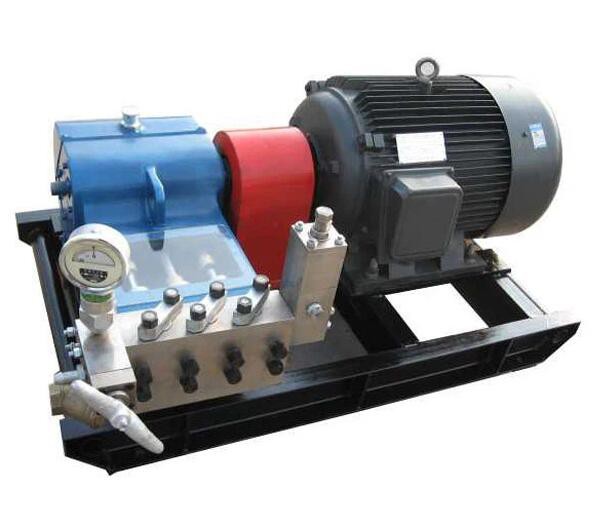
5. Assess Portability and Mobility:
- Depending on your testing requirements, you may need a portable pump for on-site testing or a stationary pump for laboratory or workshop use.
- Portable pumps should be lightweight and compact for easy transportation, while stationary pumps can prioritize stability and robustness.
6. Review Durability and Maintenance Needs:
- Opt for pumps constructed from durable materials such as stainless steel or corrosion-resistant alloys, especially if you'll be working with harsh chemicals or environments.
- Consider ease of maintenance, including access to critical components for servicing and availability of spare parts.
7. Compatibility with Accessories:
- Determine if the pressure testing pump is compatible with accessories such as pressure hoses, fittings, and adapters commonly used in your testing applications.
- Some pumps may require specific accessories or adapters for proper operation, so ensure compatibility to avoid compatibility issues.
8. Safety Features:
- Prioritize pumps with built-in safety features such as pressure relief valves, overpressure protection, and automatic shut-off mechanisms to prevent accidents and equipment damage.
- Compliance with industry safety standards and certifications is also important for ensuring safe operation.
9. Consider Budget and Cost of Ownership:
- While price is a consideration, prioritize value over initial cost. A higher-quality pump may have a higher upfront cost but can offer better performance, reliability, and longevity, reducing overall ownership costs.
- Factor in ongoing maintenance and operating costs when evaluating the total cost of ownership.


